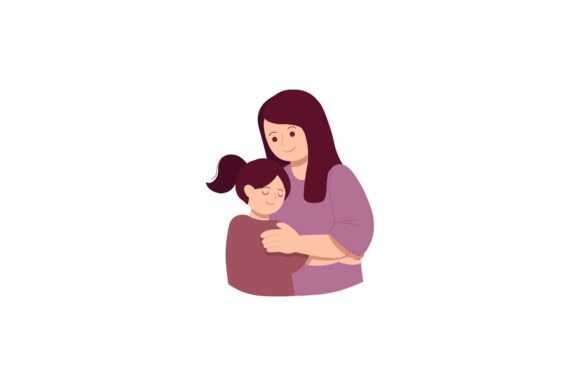
Mother Day Me and Mom Illustrations Review
As a designer who spends half my life in the embroidery hoop and the other half worrying about stitch density, I approach every new graphic asset with a healthy dose of skepticism. "Mother Day Me and Mom Illustrations" caught my eye not just because of the seasonal relevance, but because it promises to bridge the gap between digital vector art and tactile textile work. In this review, I’m putting aside the marketing fluff to evaluate how this machine embroidery design actually performs when translated from screen to fabric, specifically for those of us running small shops or creating personalized gifts.
First Impressions: Mood and Visual Personality
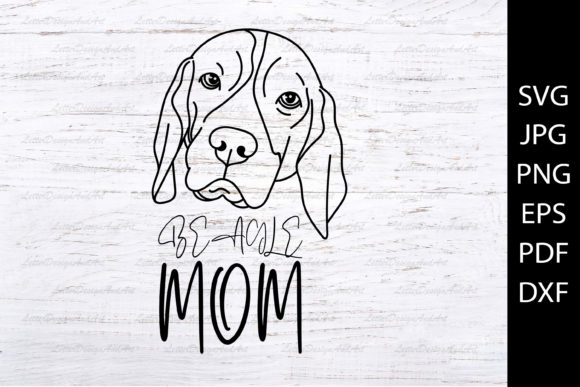
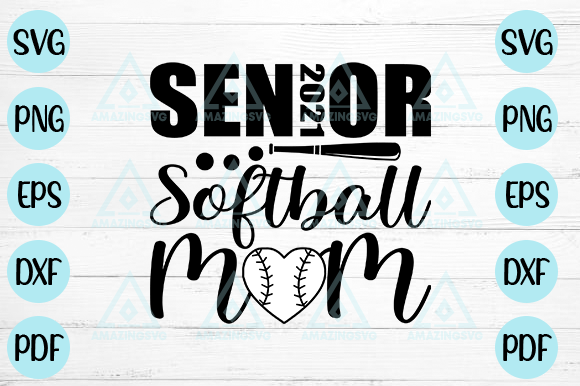
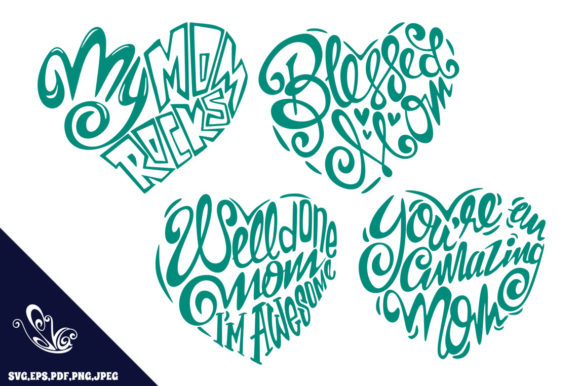
The moment you open the file, the visual personality of the Illustrations package is clear. It leans heavily into warmth and connection. The layout isn’t cluttered; instead, it relies on clean lines and distinct shapes that suggest a modern, minimalist aesthetic. For an embroidery project, this is crucial. Too much intricate detail can turn into a muddy mess after stitching, especially if you are working with standard polyester threads.
The mood created here is intimate and celebratory. It feels less like a generic holiday greeting and more like a personal keepsake. This distinction matters when you are designing for Etsy sellers or boutique owners who need products that feel handmade and thoughtful rather than mass-produced. The Graphics provided are versatile enough to serve as the centerpiece of a custom apparel piece or a subtle accent on a smaller item like a coffee mug cozy or a kitchen towel.
Real-World Application: From Screen to Stitch
Let’s talk about where this design truly shines. I recently tested a similar concept on a canvas tote bag for a client’s Mother’s Day pop-up shop. The result was striking. The clean vectors allowed for precise placement, whether you were using a dense fill stitch for the main body or a delicate satin stitch for outlining.
This embroidery file works exceptionally well for:
- Tote Bag Design: The central placement looks balanced on both canvas and cotton blends. It adds value to a simple bag, turning it into a premium gift item.
- Sweatshirt Embroidery: On heather grey or soft white hoodies, the illustration pops without looking overwhelming. It’s perfect for a mother-and-me set.
- Baby Embroidery: If scaled down appropriately, the gentle lines work beautifully on onesies or burp cloths, offering a softer look than bold block letters.
- Embroidered Patch: The defined edges make it easy to digitize as a patch, which can be ironed or sewn onto denim jackets, caps, or backpacks.
For the Etsy seller or small shop product creator, versatility is key. This design allows you to create a cohesive collection. You can use the same core imagery across a tea towel, a pillow cover, and a personalized gift box insert, maintaining brand consistency while offering variety to your customers.
Stitch Clarity and Product Value
One of the biggest hurdles in converting vector art to embroidery is maintaining clarity. When I evaluated the potential for stitch density, I noted that the design likely benefits from generous negative space. This means fewer thread breaks, less hooping frustration, and a faster production time. For commercial projects, speed equals profit. A design that stitches out cleanly in under ten minutes is often more valuable than one that takes twenty, provided the visual impact remains high.
Furthermore, the professional finish of the finished product directly impacts customer trust. A clean, well-executed embroidery job signals quality. When a buyer receives a handmade product that looks sharp and intentional, they are more likely to leave a positive review and return for future purchases. This illustration supports that professionalism by avoiding overly complex gradients or tiny details that might get lost in the fabric texture.
Where to Exercise Caution
No design is universally perfect, and knowing where to draw the line is part of being an experienced designer. While this illustration is robust, there are specific scenarios where you need to be careful.
- Small Hoop Sizes: If you plan to embroider this on very small items like baby socks or miniature hats, you must check the scaling. Tiny details may become indistinguishable. Always test at 100% scale before committing to the final run.
- Textured Fabrics: On bouclé wool or heavy terry cloth, the definition of the lines may soften. For these fabrics, simpler designs with thicker outlines tend to perform better.
- Stretchy Fabrics: Jersey knits and spandex blends require proper stabilization. Without it, the tension of the running stitch or applique design elements can pucker the fabric, ruining the silhouette.
- Dense Stitch Areas: Avoid placing the heaviest parts of the design over seams, pockets, or curved surfaces like the crown of a cap. These areas distort easily and can lead to misalignment.
Practical Designer Notes for Implementation
Before you start producing batches for your craft business, follow these practical steps to ensure success:
- Test on Scrap Fabric: Never go straight to the final product. Use a scrap of the exact fabric you intend to sell. This helps you gauge how the thread colors interact with the material.
- Check Thread Color Contrast: The original vector may show black lines on white. On a dark navy sweatshirt, you will need light-colored threads. Ensure your color palette provides enough contrast for the design to be legible.
- Review Stitch Density: Look at the digitization (if provided) or simulate the stitch path. Is the density too high? High density can cause fabric distortion. Adjusting the pull compensation in your software can help.
- Use Proper Stabilizer: The right stabilizer is non-negotiable. For woven fabrics, cut-away stabilizer is usually best for durability. For knits, tear-away might suffice for lighter designs, but wash-away is ideal for delicate items.
- Black and White Mockups: Convert your design to grayscale. If it still reads clearly, it will likely embroider well. If it becomes a blob, you need to simplify the design.
- Confirm Licensing: Before selling any commercial embroidery items or digital assets, double-check the license terms of the source. Some illustrations allow personal use only, while others permit limited commercial sales. Protect your business by verifying these details.
Final Verdict
"Mother Day Me and Mom Illustrations" is a strong contender for designers looking to expand their seasonal offerings. It strikes a balance between emotional resonance and technical feasibility. Whether you are creating a heartfelt holiday gift for a family member or building a profitable line of digital embroidery files for online sale, this asset provides a solid foundation.
It respects the medium of embroidery by favoring clarity over complexity. For the creative entrepreneur who values efficiency and aesthetics, this design offers a reliable way to produce high-quality, recognizable products. Just remember: the magic happens in the execution. Test thoroughly, stabilize properly, and let the design speak for itself. With the right approach, this illustration can become a staple in your embroidery project repertoire for years to come.