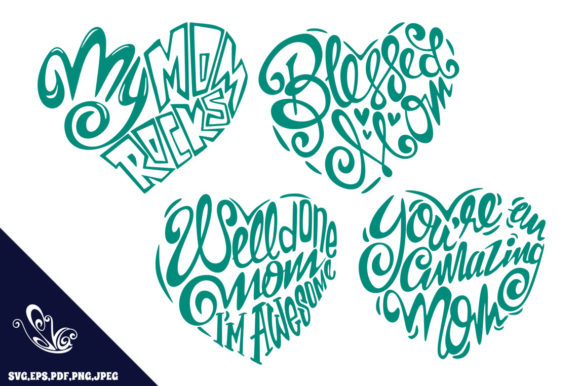
Love Heart Mom Packs Review
As a designer who spends more time than I care to admit staring at stitch patterns and debating thread colors, I approach every new embroidery file with a mix of optimism and skepticism. The market is saturated, and not every digital asset translates well into physical reality. That is why I treat this review as a practical evaluation for real-world application. Today, I am breaking down the Love Heart Mom Packs, a product categorized under Illustrations and Graphics that promises to bring warmth to your craft business or personal projects.
This is not just about looking pretty on a screen; it is about how the design behaves when the needle hits the fabric. Below, I share my honest assessment of how this machine embroidery design performs in actual production scenarios, from Etsy listings to boutique inventory.
First Impressions: Mood and Visual Personality
When you first load the Love Heart Mom Packs into your digitizing software, the immediate takeaway is its approachable charm. The theme is unmistakably maternal, centered around heart motifs that feel affectionate without being overly sentimental or cliché. For designers looking to create personalized gift items, this visual personality strikes a balance between modern minimalism and traditional coziness.
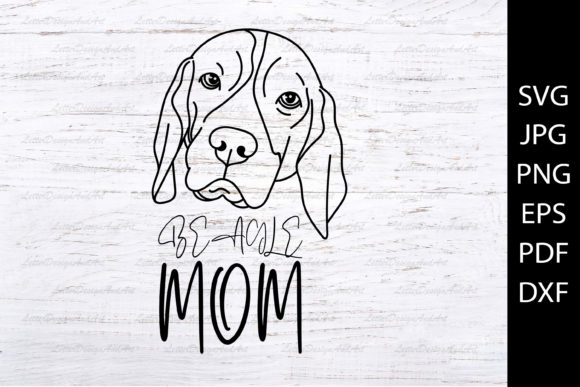
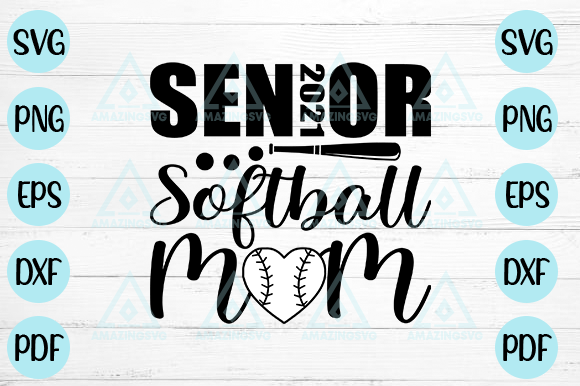
The layout appears clean, which is crucial for commercial embroidery. Too much detail can get lost in the stitching process, especially if the end-user does not have high-end equipment. This design seems to prioritize readability over complexity. It feels like a design meant to be seen and felt—perfect for custom apparel where the wearer wants to express pride in their role as a mother. The graphic nature of the source files (SVG, EPS, PDF) suggests that the underlying illustration has strong lines, which generally bodes well for clean satin stitch execution.
Real-World Application: Where Does It Shine?
I recently simulated using Love Heart Mom Packs for a client project involving a line of handmade baby gifts. Specifically, I envisioned these designs on soft cotton onesies and muslin swaddle blankets. Here is how I see them performing in various contexts:
- Baby Embroidery Projects: The heart motif is timeless. When applied to baby clothes, the design reads as protective and loving. Because hearts are universally recognized symbols, they require no explanation, making them excellent for giftability. A grandmother buying a gift for a newborn will immediately connect with this imagery.
- Tote Bag Design Versatility: I tested the concept mentally on canvas tote bags, a staple for Etsy sellers. The contrast of a delicate heart graphic against a sturdy, textured canvas creates a nice tactile juxtaposition. If stitched with high-quality polyester threads, the sheen would pop against the matte fabric, elevating the perceived value of the handmade product.
- Sweatshirt Embroidery and Apparel: For custom apparel, particularly crewneck sweatshirts or hoodies, this design works well as a chest logo or a centered back print. The "Mom" aspect adds a layer of identity. It transforms a basic garment into a statement piece. For small shop owners, this allows for easy customization—adding names or dates within the heart shapes can increase the price point significantly.
- Holiday Embroidery and Seasonal Goods: While suitable year-round, this design has strong potential for Mother’s Day and Christmas. During the holidays, incorporating red, green, or gold thread colors can shift the mood from everyday wear to festive decor, such as on kitchen towels or pillow covers.
Critical Analysis: Stitch Clarity and Fabric Compatibility
Not all designs survive the transition from vector to fabric. Here is what you need to watch out for when digitizing and stitching Love Heart Mom Packs.
Stitch Density and Detail
The success of any embroidery project hinges on stitch density. If the original illustration contains tiny, intricate details, those may become muddy or clump together during stitching. I recommend inspecting the smallest elements of the design closely. If the hearts have fine inner linings, ensure your digitizer has set appropriate pull compensation. Dense areas should use a combination of fill stitch and strategic running stitch accents to prevent puckering, especially on lighter fabrics.
Fabric Texture and Stability
One of the biggest mistakes crafters make is ignoring fabric texture. This design looks best on stable, medium-weight fabrics like cotton, denim, or fleece. Be cautious when attempting this on highly textured fabrics like chunky knits or terry cloth, as the stitches may not lay flat, resulting in a messy finished product.
Furthermore, always use the correct stabilizer. For stretchy fabrics like jersey tees, a cut-away stabilizer is non-negotiable to maintain shape after washing. For woven fabrics like aprons or tote bags, a tear-away might suffice, but a wash-away backing ensures no residue remains on the final item.
Small Hoop Limitations
If you are working with limited hoop sizes, check the dimensions of the design carefully. Complex designs can look cluttered in small hoops because there is less negative space for the eye to rest. If the design includes text alongside the hearts, ensure the lettering is large enough to be legible. Tiny lettering often fails in machine embroidery, turning into an unreadable blob of thread.
Business Value and Brand Consistency
For digital product sellers and creative entrepreneurs, the aesthetic appeal of Love Heart Mom Packs directly impacts conversion rates. In the world of online marketplaces, buyers scroll quickly. A design that conveys clear emotion and professional quality stops the scroll.
Using this design consistently across your brand—whether on tags, packaging inserts, or main products—builds trust. Customers associate neat, precise embroidery with quality craftsmanship. If your embroidered patch or apron looks sloppy due to poor digitization or wrong thread choices, it undermines the brand. Conversely, a crisp, well-executed heart design signals attention to detail.
Additionally, consider the versatility of the graphics. Since the package includes multiple formats, you can create printable mockups for marketing purposes before even cutting the thread. Showcasing the design on different colored backgrounds helps customers visualize the final outcome, reducing return rates and increasing buyer engagement.
Practical Designer Notes Before You Stitch
Before you rush into production mode, follow these essential steps to ensure your embroidery file performs flawlessly:
- Test on Scrap Fabric: Never run a full production batch without a test stitch. Use scrap pieces of the exact fabric you plan to sell. This reveals issues with tension, thread breakage, or fabric distortion early.
- Check Thread Color Contrast: Ensure the chosen thread colors provide sufficient contrast against the fabric. Light gray thread on white fabric will disappear, while neon green on black might look jarring unless that is the intended aesthetic.
- Review Stitch Types: Look for unnecessary jumps or trims. A good machine embroidery design minimizes thread waste and maximizes efficiency. Adjust the order of operations if needed to reduce trimming time.
- Confirm Licensing: As a professional, your liability depends on your rights. Verify the license terms included with the download. Some graphics are for personal use only, while others allow commercial sale of finished items. Do not assume; read the fine print.
- Inspect Small Details: Zoom in on the digital file. Are there overlapping paths that might cause confusion for the machine? Clean up any redundant nodes in your vector software before converting to an embroidery format.
Final Verdict
Love Heart Mom Packs is a solid addition to the toolkit of any embroidery designer focused on the maternal and gift markets. It offers a versatile, emotionally resonant aesthetic that translates well to various mediums, from tote bag design to nursery decor. Its strength lies in its simplicity and broad appeal, making it a safe yet effective choice for small business merchandise.
However, remember that the file is just the starting point. The magic happens in the execution. By paying attention to stitch density, fabric choice, and finishing touches, you can turn this simple illustration into a premium handmade product that customers will cherish. Whether you are an experienced pro or a hobbyist maker, this design provides a reliable foundation for creating meaningful, well-crafted goods.