Mom Icon Wave Hands Design Creative Art Review
As a designer who spends more time staring at stitch charts and fabric swatches than actually sleeping, I have learned to trust my gut before I ever load a file into the hoop. When Mom Icon Wave Hands Design Creative Art landed on my desk for review, I didn’t just look at the pixels; I looked at the potential. This isn’t just another generic icon in the sea of digital assets. It is a specific, emotional graphic that carries weight. For those of us building brands around handmade goods, custom apparel, or personalized gifts, the difference between a design that sells and one that sits in a cart is often subtle. It comes down to clarity, emotion, and execution.
I evaluated this piece not as a static image, but as a future machine embroidery design. The concept is simple: a mother figure waving. In the world of embroidery project planning, simplicity is both a blessing and a challenge. It allows for versatility, but it demands precision. If the proportions are off or the lines are too thin, the magic disappears. Here is my practical breakdown of how this graphics asset performs when translated from screen to thread.
First Impressions and Visual Personality
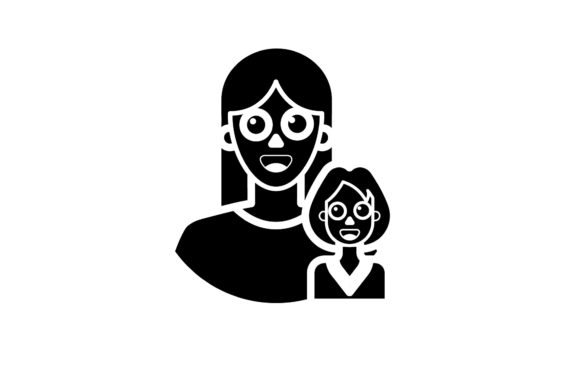
The immediate mood of Mom Icon Wave Hands Design Creative Art is warm, welcoming, and approachable. Unlike stiff corporate icons, this design feels alive. The "wave" gesture implies connection, greeting, and love—emotions that resonate deeply with our target audience. Whether you are targeting new mothers, grandmothers, or anyone celebrating maternal bonds, the visual language speaks immediately.
From a composition standpoint, the layout is balanced. The negative space is handled well, which is critical for stitch density management. In embroidery, we often struggle with designs that are too cluttered or too sparse. This design strikes a middle ground. It has enough detail to be interesting without becoming a nightmare to digitize. The personality of the icon suggests it belongs in soft, domestic settings rather than hard, industrial ones. It feels right at home on a tote bag design meant for grocery runs, or perhaps stitched onto a cozy sweatshirt embroidery piece for a weekend brunch.
Real-World Application: The Tote Bag Scenario
To truly test this design, I imagined a real-world scenario: creating a line of boutique merchandise for an Etsy seller. Let’s say we are launching a collection of canvas tote bags for Mother’s Day. We need something that looks professional, reads clearly from a distance, and feels personal.
Mom Icon Wave Hands Design Creative Art fits this brief perfectly. On a natural canvas tote, the clean lines of the icon would pop against the textured fabric. Because it is an icons-style graphic, it translates beautifully to single-color or two-color thread colors. Imagine a deep navy wave on a cream bag, or a soft blush pink on white. The contrast is key here. If the background fabric is dark, you need a bright, solid fill to ensure the "wave" doesn’t get lost. This design’s structure supports that kind of high-contrast application, making it a strong candidate for custom apparel that needs to stand out in a crowded market like a craft fair or online shop.
Furthermore, this design works exceptionally well for personalized gift items. A small embroidered patch featuring this icon could be added to a baby blanket or a nursery pillow cover. The scale is manageable, and the emotional payoff is high. Parents buy these items not just for utility, but for the sentiment. This design delivers that sentiment efficiently.
Performance in Different Embroidery Contexts
When evaluating any digital embroidery file, I always ask: where does it shine, and where does it struggle? Here is how this design holds up across various mediums:
- Apparel and Sweatshirts: The design is versatile enough for chest logos on hoodies. However, keep in mind that stretchy fabrics can distort fine details. If you are using this for sweatshirt embroidery, ensure your stabilizer is robust to prevent puckering.
- Baby Items: Soft bodysuits and bibs are ideal candidates. The gentle nature of the icon matches the softness of baby textiles. Just be cautious with stitch density; baby skin is sensitive, so you want a finish that is smooth and not overly thick.
- Holiday Embroidery: While not explicitly Christmas-themed, the warmth of the "wave" makes it suitable for general gifting seasons. It works as a standalone holiday embroidery piece that focuses on family connection rather than seasonal motifs.
- Commercial Embroidery: For small business owners, this is a low-risk, high-reward asset. It is broad enough to appeal to many customers but distinct enough to feel curated. It enhances brand consistency if your brand focuses on family, care, or community.
Where Caution Is Required
No design is perfect for every situation. There are specific scenarios where Mom Icon Wave Hands Design Creative Art might require extra attention or might simply not work:
- Small Hoop Sizes: If you attempt to stitch this in a very small hoop (under 4 inches), you risk losing definition. The hand gesture and facial features (if implied) may merge into a blob. Always check the minimum viable size before committing to a tiny embroidered patch.
- Textured Fabrics: Linen, burlap, or heavily woven cottons can hide the details of an icon-style design. The texture competes with the clean lines of the art. For these materials, consider a simpler color palette or a larger scale.
- Dense Stitch Areas: If the digitization uses heavy fill stitch areas without proper underlay, the fabric may pucker. This is especially true on thin fabric or stretchy fabric like jersey knits. Use a cut-away stabilizer to maintain integrity.
- Curved Surfaces: Applying this to caps or hats requires careful positioning. The symmetry of the wave must align with the curve of the hat brim or front panel. Misalignment can make the "wave" look like a limp hand.
Practical Designer Notes for Execution
Before you upload this to your machine or send it to a print-on-demand service, follow these steps to ensure a professional result:
Test on Scrap Fabric: Never assume a design will work on your final product. Stitch it out on the exact same fabric type you plan to use. Check for thread colors contrast. Does the light thread show up on the dark fabric? Does the dark thread disappear?
Review Stitch Density: Zoom in on the digitized version. Are there large gaps in the running stitch areas? Is the satin stitch on the edges crisp? Poor digitization can ruin even the best artwork. If you are sourcing this as a pre-digitized file, verify the quality. If you are converting vector files (like the AI or EPS formats mentioned) yourself, pay close attention to the path width.
Black and White Mockups: Convert the design to grayscale. This helps you see the balance of light and dark areas. If the design looks muddy in black and white, it will likely look muddy in color embroidery.
Check Licensing: This is crucial for Etsy sellers and craft business owners. Ensure you have the commercial rights to sell finished products made from this design. Some design assets are for personal use only. Confirming this prevents legal headaches later.
Stabilizer Selection: Match your stabilizer to your fabric. A lightweight tear-away might work for a sturdy tote bag, but a heavy-duty cut-away is needed for a stretchy sweatshirt. The wrong choice leads to distortion, which ruins the clean look of the icon.
Final Verdict
Mom Icon Wave Hands Design Creative Art is a strong, emotionally resonant asset for any designer working in the handmade space. It offers the flexibility needed for custom apparel, the charm required for personalized gifts, and the clarity needed for effective commercial embroidery. It is not a complex masterpiece, but it doesn’t need to be. Its power lies in its simplicity and universal appeal.
For creative entrepreneurs looking to expand their catalog with meaningful, easy-to-produce items, this design is a smart addition. It respects the viewer’s time and the maker’s effort. Just remember: the success of the final product depends as much on your stitching technique and material choices as it does on the design itself. Test thoroughly, stitch carefully, and let the warmth of the design do the selling.